

★★★★★
“With this firm you are not just a number. You will be treated with compassion, respect and dignity. They are not afraid to fight aggressively for their clients. I highly recommend them.”
Lyne K. · Google Review
Cleveland, TN Auto Accident Lawyers
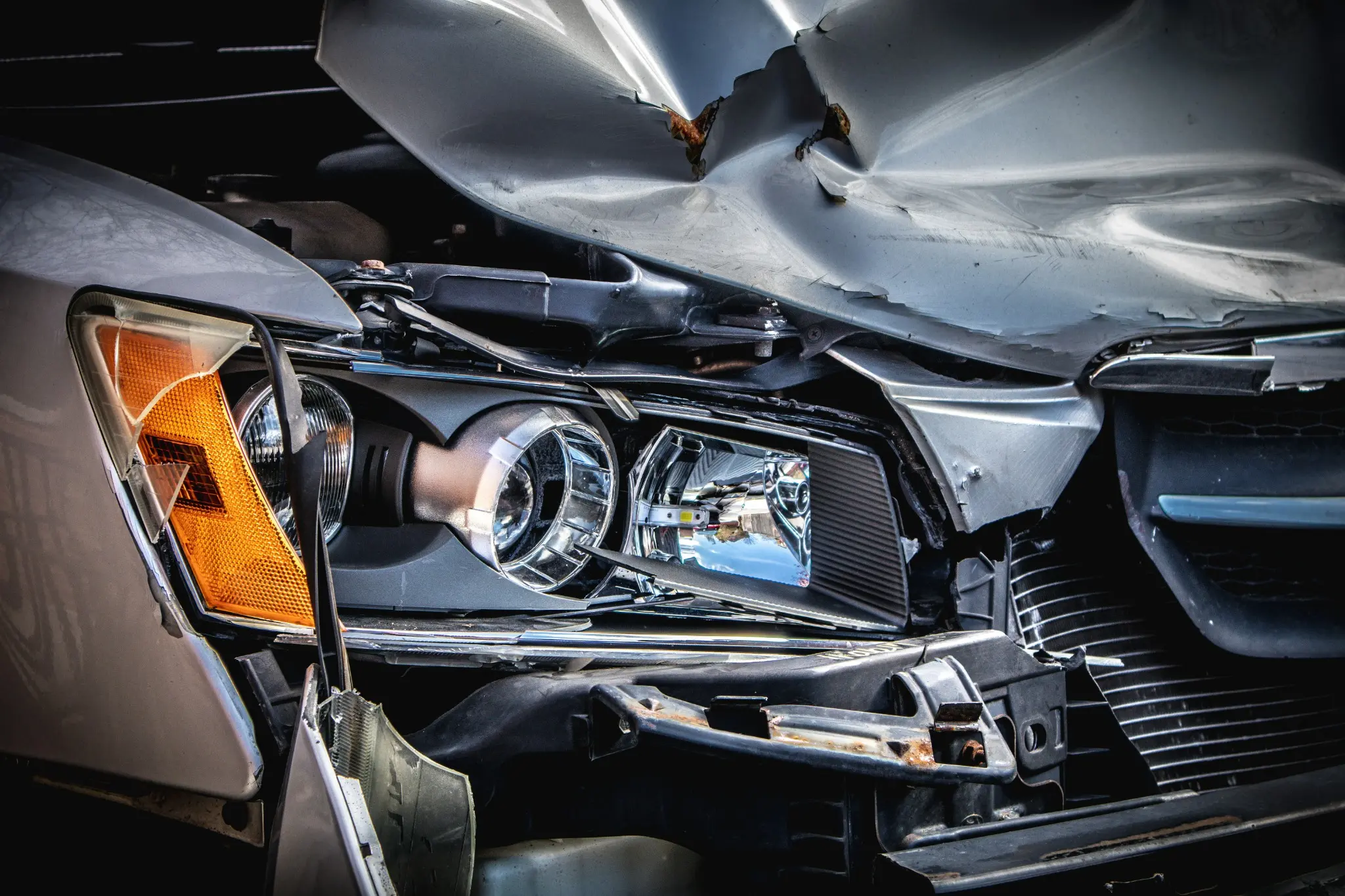
After a car crash in Cleveland or Southeast Tennessee, we help injured drivers, passengers, and families understand fault, available insurance, medical documentation, and what may come next.
What to do after a car accident in Tennessee
What you do at the scene and in the days after a crash can protect your health and the evidence a claim depends on. If you are safe enough to do so, this is a practical order to work through.
Move out of traffic if you can, turn on hazards, and check yourself and others. Call 911 for injuries or blocked lanes.
An official crash report documents the scene, drivers, and often a preliminary view of fault. Ask how to obtain a copy.
Vehicle damage, positions, license plates, road and traffic signs, skid marks, injuries, and the wider scene from several angles.
Names, phone numbers, driver's license, license plate, and insurance details for every driver involved.
Get names and numbers of anyone who saw the crash. Independent witnesses can matter when fault is disputed later.
Adrenaline masks injury. Prompt evaluation protects your health and ties the injury to the crash in the record.
Report the crash promptly and factually. You can report it without giving a recorded statement about fault or injuries.
Avoid recorded statements to the other insurer, broad medical authorizations, or early settlements before you understand the claim.
When the insurer starts building its crash file
While you are treating, arranging transportation, and trying to get back to normal, insurers may already be collecting statements, assigning fault, reviewing medical care, and measuring the claim against the smallest possible version of the crash.
The other driver or insurer argues that you caused or contributed to the crash — using reports, photos, witnesses, traffic controls, and Tennessee comparative-fault rules.
The collision is described as too minor to explain your injuries or treatment, based on vehicle damage, impact location, and symptom timing.
Treatment timing, bills, prior conditions, or gaps in care are used to reduce the claim.
A settlement is offered before recovery, work impact, vehicle loss, or future care is fully known.

How fault affects a Tennessee car accident claim
Tennessee follows a "modified comparative fault" rule. If you share some blame for the crash, your recovery is reduced by your percentage of fault — but you can still recover as long as you are found less than 50% at fault. At 50% or more, recovery is generally barred.
Because a few percentage points can change a claim substantially, insurers often push to assign you more fault than the evidence supports. The crash report, scene photos, witness accounts, traffic-control evidence, and vehicle damage should all be weighed before accepting an insurer's version of who was responsible.
Example
$100k → $80k
A claim valued at $100,000 where you are found 20% at fault would generally be reduced to $80,000. At 50% fault or more, it could recover nothing.
Illustrative only. Actual outcomes depend on the specific facts, evidence, and law.
Cleveland auto accident cases we handle
Focused guidance for rear-end collisions, intersection crashes, uninsured drivers, impaired or distracted driving, highway crashes, and passenger injuries across Cleveland and Southeast Tennessee.
Whiplash, head and disc injury, delayed symptoms, and low-speed arguments even when vehicle damage looks limited.
Start a review → Right of wayDisputed fault, traffic-control and right-of-way questions, side-impact injuries, and multi-driver accounts.
Start a review → Your own coverageUninsured and underinsured motorist coverage, unidentified drivers, and preserving evidence after the fact.
Start a review → Clear negligenceImpaired, texting, or reckless drivers, added evidence sources, and serious-injury or wrongful-death claims.
Start a review → High speed, high stakesI-75 and highway crashes, chain-reaction collisions, multiple insurers, and disputed sequence of impacts.
Start a review → Not the driverInjured passengers with claims against one or more drivers, and questions about which policy applies.
Start a review →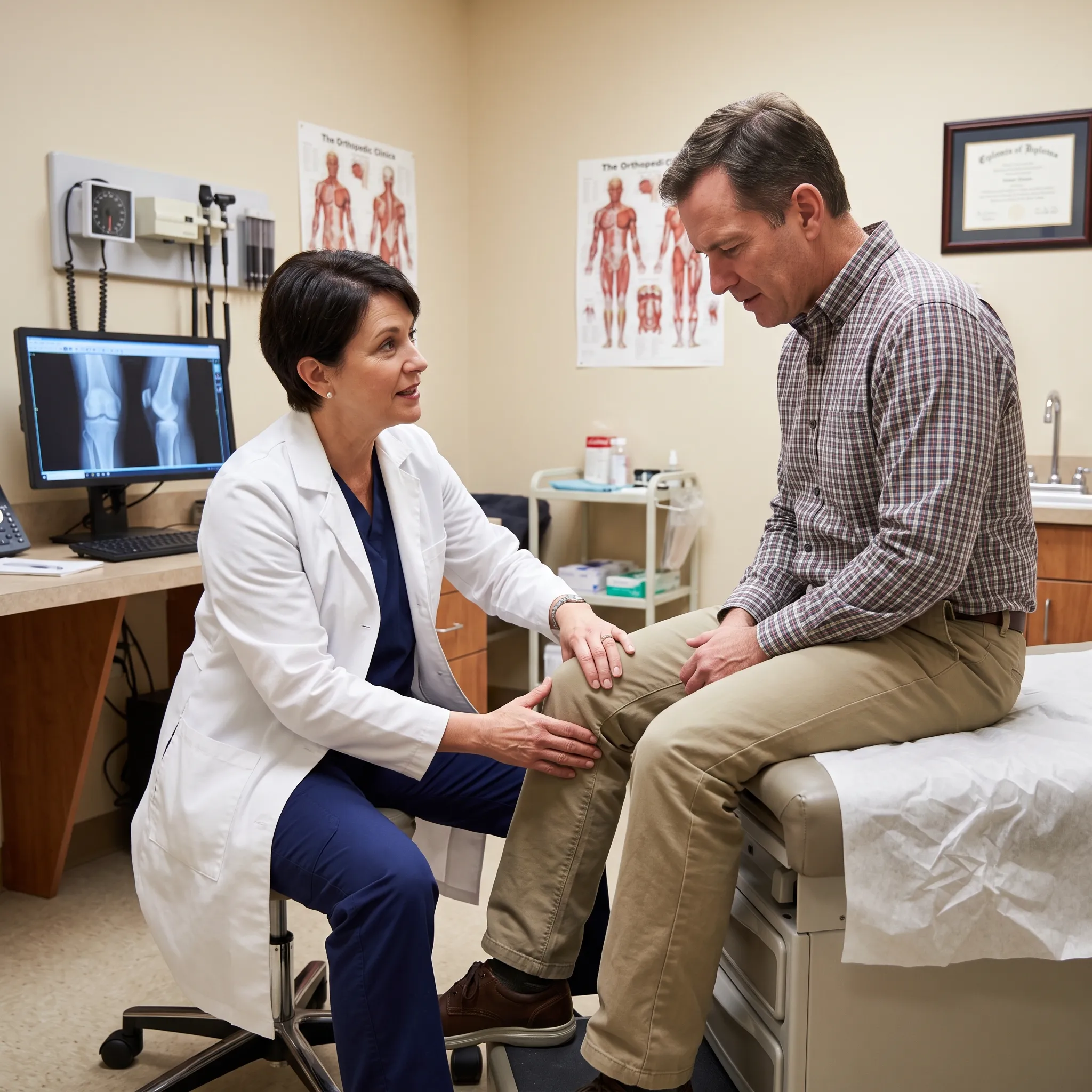
Common injuries after car accidents
An auto accident claim should explain the diagnosis, the treatment it requires, the work it interrupts, developing symptoms, and the ways the crash changed everyday life.
Concussions, traumatic brain injuries, whiplash, disc and nerve injuries, headaches, dizziness, and cognitive changes.
Broken bones, shoulder and knee injuries, torn ligaments, internal injuries, surgery, rehabilitation, limited mobility, and time away from work.
Sprains, strains, disc injuries, internal or organ injuries, and pain that develops or worsens in the days after the collision.
Spinal injuries, disability, disfigurement, chronic pain, reduced independence, permanent restrictions, and wrongful death.
From crash to claim value
An insurer may focus on immediate bills, visible vehicle damage, or a quick settlement figure. A complete review considers every supported way the crash affected health, work, transportation, finances, and daily life.
Ambulance, emergency treatment, hospital care, specialists, imaging, therapy, surgery, rehabilitation, and long-term needs.
Missed work, reduced hours, job restrictions, career disruption, and diminished ability to earn.
Repair or total-loss issues, rental costs, transportation, towing, and related out-of-pocket expenses.
Physical pain, driving anxiety, activity limits, permanent injury, disfigurement, and wrongful-death losses.
Recoverable damages depend on the facts and law. These are review categories, not a promise that each applies.
Diminished value after a car accident
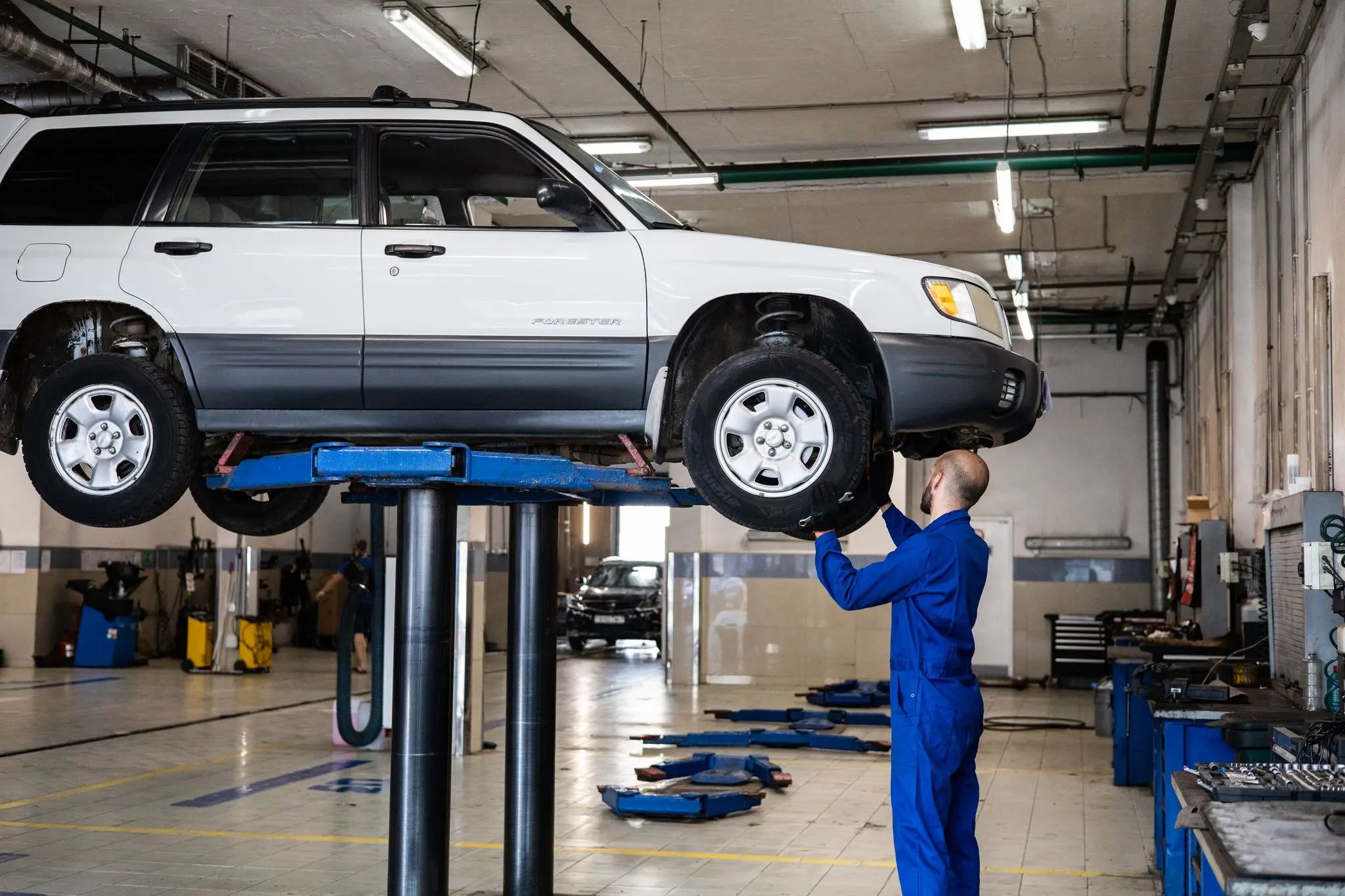
Even a well-repaired vehicle can lose market value simply because it now has an accident on its history. In Tennessee, that lost value — "diminished value" — may be part of a first-party or third-party claim, separate from your injury claim.
The drop in resale value that remains after quality repairs, because buyers pay less for a car with a reported collision.
Value lost because repairs were incomplete, used lesser parts, or could not fully restore the vehicle.
Pre-crash value, repair records, the accident report, mileage and condition, and an independent valuation can support a diminished-value figure.
Dealing with the insurance adjuster
An adjuster's job is to resolve the claim for as little as possible. That is not personal — it is the business. Knowing what to do, and what not to do, helps protect the claim while your injuries and losses are still developing.
You are generally not required to give the other driver's insurer a recorded statement, and a free review can help you understand any request before you respond.
How we handle auto accident claims
Auto claims get harder when fault evidence, medical care, insurance coverage, vehicle loss, work impact, and the insurer's position are not organized around the issue being challenged.
We begin with the collision, injuries, treatment, vehicle condition, insurance contact, deadlines, and evidence that may need to be preserved.
Reports, photographs, witnesses, video, traffic controls, vehicle information, driver conduct, and insurance policies help define the case.
Medical records, bills, treatment plans, work loss, vehicle damage, transportation costs, limitations, and future needs connect the crash to the full harm.
The presentation connects fault, available insurance, medical proof, financial losses, and vehicle issues — and we litigate if the insurer will not resolve it fairly.
Tennessee crash filing deadlines
Car accident claims come with legal deadlines. Miss the one that applies, and an otherwise strong crash claim can be lost — which is why it is worth asking early rather than assuming a date.
Many Tennessee actions for injuries to the person must be filed within one year of the collision.
Fatal-crash claims also generally fall under a one-year window, measured from the death.
Damage to your vehicle or other property often carries a longer deadline than the injury itself.
Minors, government vehicles, uninsured-motorist terms, discovery of harm, and other facts can change the deadline.
These are general timeframes, not legal advice. The deadline that applies to a specific crash depends on the facts and parties, so confirm it early — a free review can help.
Check my deadline — free review
About the attorneys
Before you share the details of an insurance dispute or injury, it helps to know who is reviewing the problem. Our attorneys focus on what happened, what the insurance company has said, and what evidence may matter next.
Client reviews

Founder / Lead Attorney
Focused on helping policyholders understand coverage, valuation, and the evidence a claim depends on before the next move is made.

Attorney at Law
Brings steady communication and practical review to policy language, claim documentation, and insurance disputes.
Client stories
Hurricane damage
“They fought for us the whole time”
This association almost lost hope when their insurance company denied their claim after suffering significant hurricane damage.
Fred B. · ★★★★★ Client Review
Insurance claim
“The damage was significant.”
A bigger problem than they realized. Hear why clients trust us to handle their insurance claim disputes, even referring their own friends and family.
Melissa J. · ★★★★★ Client Review
Property damage
“The walls were buckling.”
She was forced to leave her home. The insurer caused extensive damage by condemning it — we got her compensated for her damages.
Julie K. · ★★★★★ Client Review
Local presence
Many reviews can begin by phone or online, with an in-person office available when a face-to-face conversation is more helpful.

Auto accident help
Explain where and when the collision happened, the drivers or vehicles involved, the medical care you received, and what any insurance company has said so far. Bring what you have — a crash review does not require a perfect file.
Start here
Cleveland auto accident lawyer FAQ
Many people call after a crash when they are hurt, unsure who is at fault, being contacted by insurance, missing work, dealing with vehicle loss, or considering a settlement.
Many Tennessee actions for injuries to the person must be filed within one year, but the correct deadline can change based on the claim, parties, age of the injured person, government involvement, wrongful death, and other exceptions. Ask promptly rather than assuming a date.
Partial fault does not automatically answer whether a claim exists. The crash report, scene evidence, witness accounts, traffic rules, and Tennessee comparative-fault issues should be reviewed before accepting an insurer's position.
Symptoms can develop or become clearer over time. Medical care, follow-up records, imaging, and a consistent account of how symptoms changed may matter to the claim.
Your own auto policy may become important. Save the police report, policy documents, claim number, photographs, witness information, and medical records, and ask about uninsured or underinsured motorist coverage.
Depending on the facts, a claim may involve medical expenses, future treatment, lost income, reduced earning ability, pain, limitations, vehicle loss, rental and transportation costs, out-of-pocket expenses, permanent injury, or wrongful-death losses.
Helpful items may include the crash report, photographs, videos, witness information, medical records, bills, insurance letters, policy information, settlement offers, repair or total-loss documents, work-loss records, and a simple timeline.
The initial review is free. If the firm can help, next steps and any fee arrangement can be explained before you decide whether to move forward.
Car accident & insurance terms explained
A quick reference for terms that show up in car accident claims and insurance letters in Tennessee.
Plain-language summaries for general information, not legal advice. How a term applies depends on your policy and the facts of your crash.
Injured in a car accident in Cleveland or Southeast Tennessee?
Tell us what happened, where the crash happened, how you were hurt, and what the insurance company has said so far.