


01
Neck, back & spine
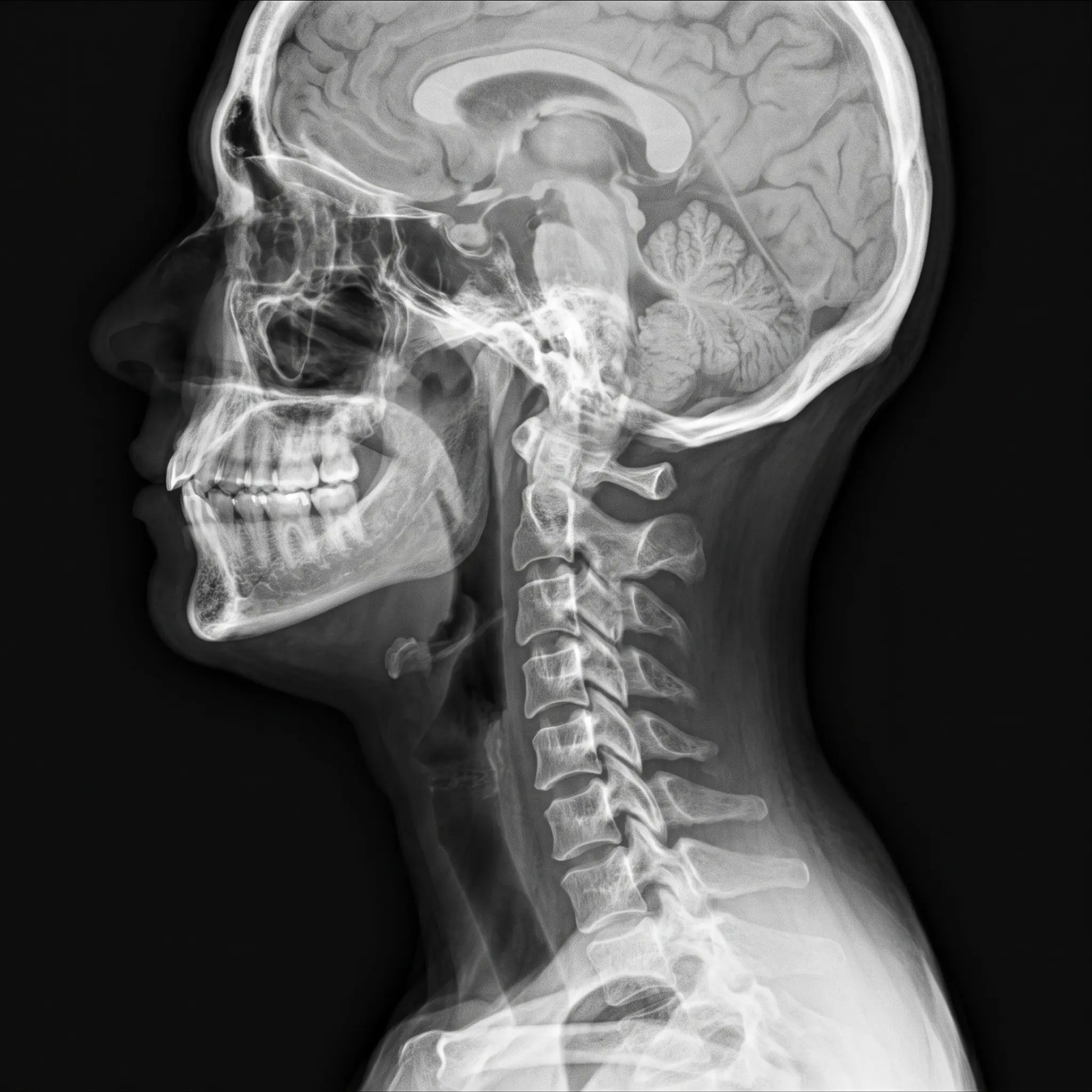
Disc injuries, radiating pain, therapy, injections, and future-care needs can all affect treatment and daily life.
Personal injury lawyers
An injury can leave you facing medical care, insurance calls, missed work, and questions about what comes next. We help people across Florida and Tennessee understand their options and the steps that may protect a claim.
Could I have a claim?
You do not need every answer before reaching out. A useful review starts with what happened, who may be responsible, and how the injury is affecting your health, work, and daily life.
Drivers, businesses, property owners, medical providers, and companies can all have responsibilities depending on the facts.
This could involve unsafe driving, poor maintenance, ignored hazards, medical errors, or other preventable conduct.
The claim has to connect the incident to the injury through records, timing, symptoms, treatment, and evidence.
Medical bills, future care, missed work, pain, limitations, and daily disruption can all matter.
Vehicle, business, property, or other insurance coverage often affects which options may be available and what can realistically happen next.
Find local injury help
Choose the office closest to where the injury happened. If your city is not listed, start a free review and we can help identify the right next step.
 Florida Office
Injured in Jacksonville, Duval County, Orange Park, Ponte Vedra, the Beaches, or St. Augustine.
Jacksonville injury help →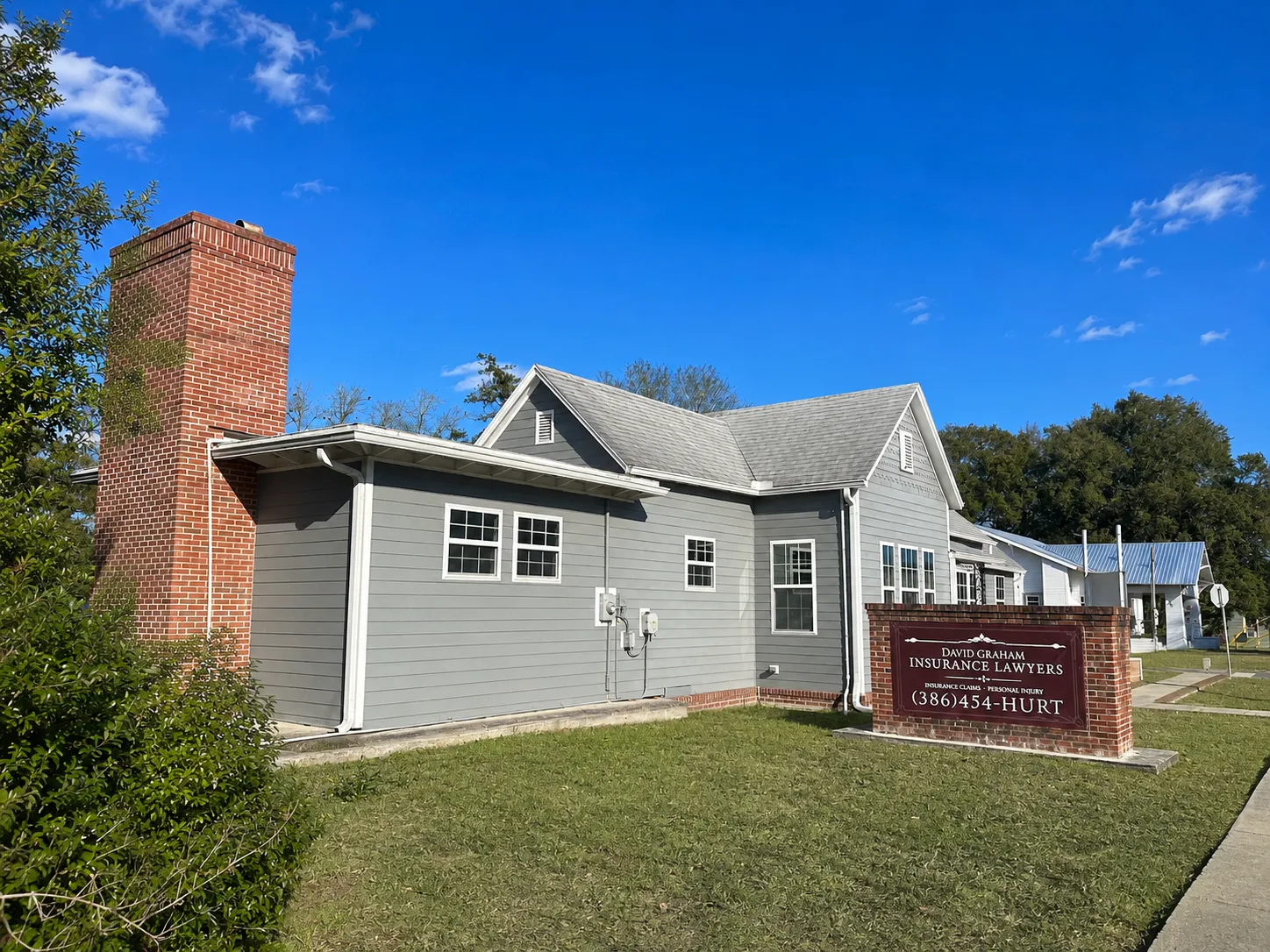 Florida Office
Injured in High Springs, Gainesville, Alachua County, or North Central Florida.
High Springs injury help → Tennessee Office
Injured in Cleveland, Bradley County, the Chattanooga area, or Southeast Tennessee.
Cleveland injury help →Outside an office city?
Our offices are in Jacksonville, High Springs, and Cleveland. We also review inquiries from people in surrounding communities and elsewhere in Florida and Tennessee.
Florida
Tennessee
Not sure where to start?
Wherever the injury happened in Florida or Tennessee, a free review is the fastest way to the right next step.
Get HelpDon't see your city? Start a free review and we can help identify the closest office and the most relevant next step.

What personal injury law covers
Personal injury law helps people seek compensation when they are harmed because another person, business, driver, property owner, medical provider, or other party failed to use reasonable care.
Who had a duty to act carefully, maintain a safe place, follow traffic laws, or provide proper care?
How did the crash, fall, medical event, or unsafe condition cause the injury?
What medical care, lost wages, pain, limitations, and long-term effects need to be documented?
Personal injury claim types
Auto accident claims
A crash can involve fault disputes, medical-treatment documentation, vehicle damage, PIP issues, uninsured drivers, and calls from insurance adjusters before the full injury picture is clear.
Rear-end crashes, intersection crashes, distracted driving, rideshare crashes, and disputed fault.
Medical timing, crash reports, photos, insurance limits, and how the injury affects work and daily life.
What matters most
Truck accident claims
Truck crashes may involve the driver, employer, vehicle owner, maintenance provider, cargo issues, dispatch decisions, company policies, and larger insurance policies.
Driver fatigue, speeding, improper turns, maintenance failures, and company safety practices.
Preserving records early, documenting injuries, and identifying every available coverage source.
What matters most
Motorcycle accident claims
Insurance companies may try to blame the rider or minimize visibility issues. Evidence from the scene, witnesses, traffic patterns, and vehicle damage can be important.
Road rash, fractures, head injuries, spinal injuries, shoulder injuries, and long-term limitations.
Visibility, lane position, crash reconstruction, helmet issues where relevant, and medical follow-up.
What matters most
Pedestrian & bicycle injury claims
These claims often involve intersections, crosswalks, lighting, visibility, driver attention, traffic controls, and severe injuries.
Drivers failing to yield, unsafe turns, distracted driving, and disputed right-of-way.
Scene photos, witness names, video footage, police reports, and early treatment documentation.
What matters most
Slip, trip & fall claims
Falls can involve wet floors, broken stairs, uneven pavement, poor lighting, missing warnings, or unsafe property conditions.
Incident reports, surveillance video, cleaning logs, maintenance records, and witness statements.
Photos before the hazard changes, medical records, footwear issues, and prior complaints where available.
What matters most
Serious injury & wrongful death claims
Serious-injury and wrongful-death claims may involve long-term care, family impact, lost earning capacity, and complex insurance and liability questions.
Catastrophic injury, permanent limitation, family loss, and multiple potential sources of recovery.
Early documentation, medical and expert review, and preserving evidence before it is lost.
What matters most
Common injuries
Severity, treatment, and long-term impact often drive what a claim needs to document.
Disc injuries, radiating pain, therapy, injections, and future-care needs can all affect treatment and daily life.

Concussions and brain injuries often require careful symptom history, follow-up care, and documentation of daily changes.
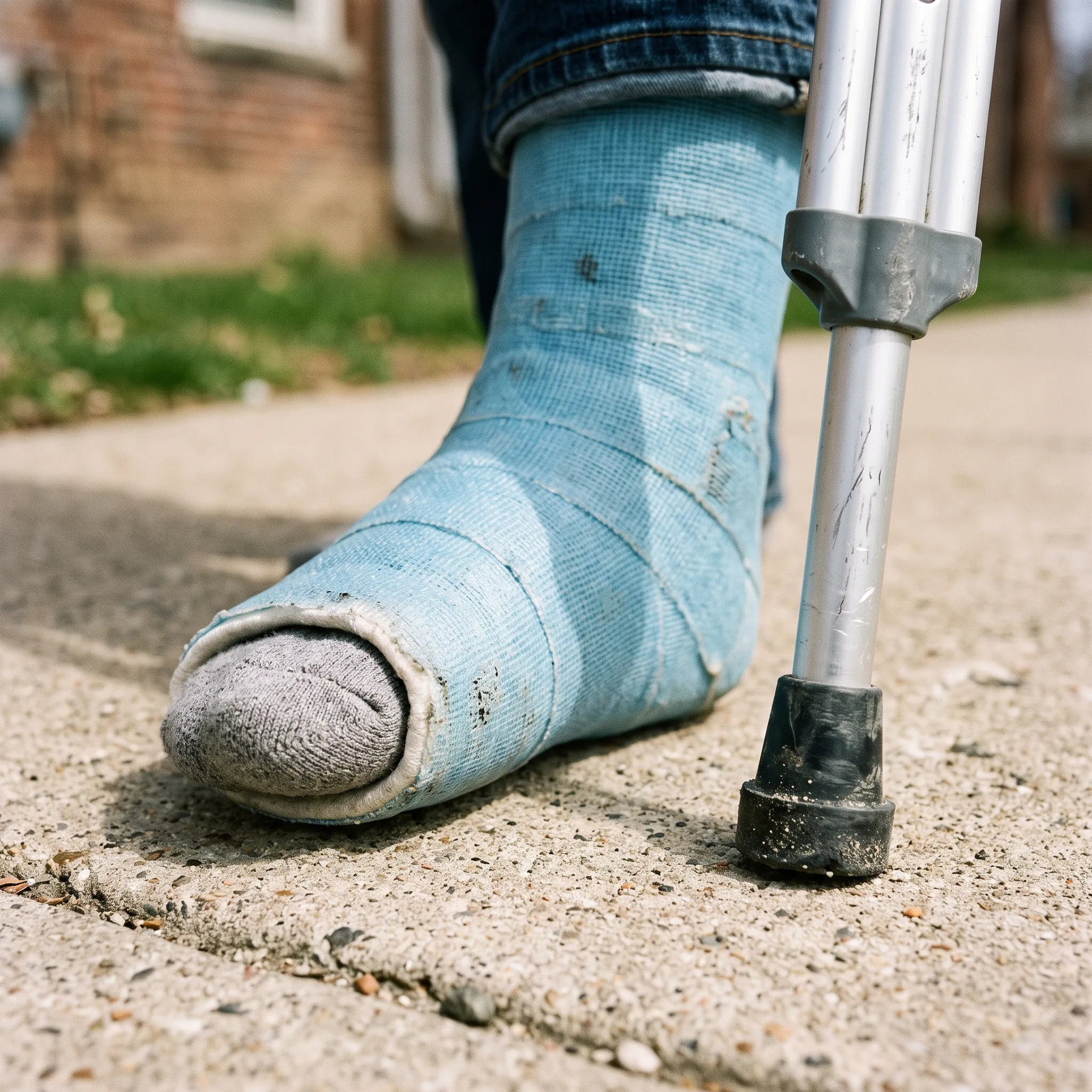
Fractures, surgery, hardware, missed work, and mobility problems can affect both recovery and future needs.
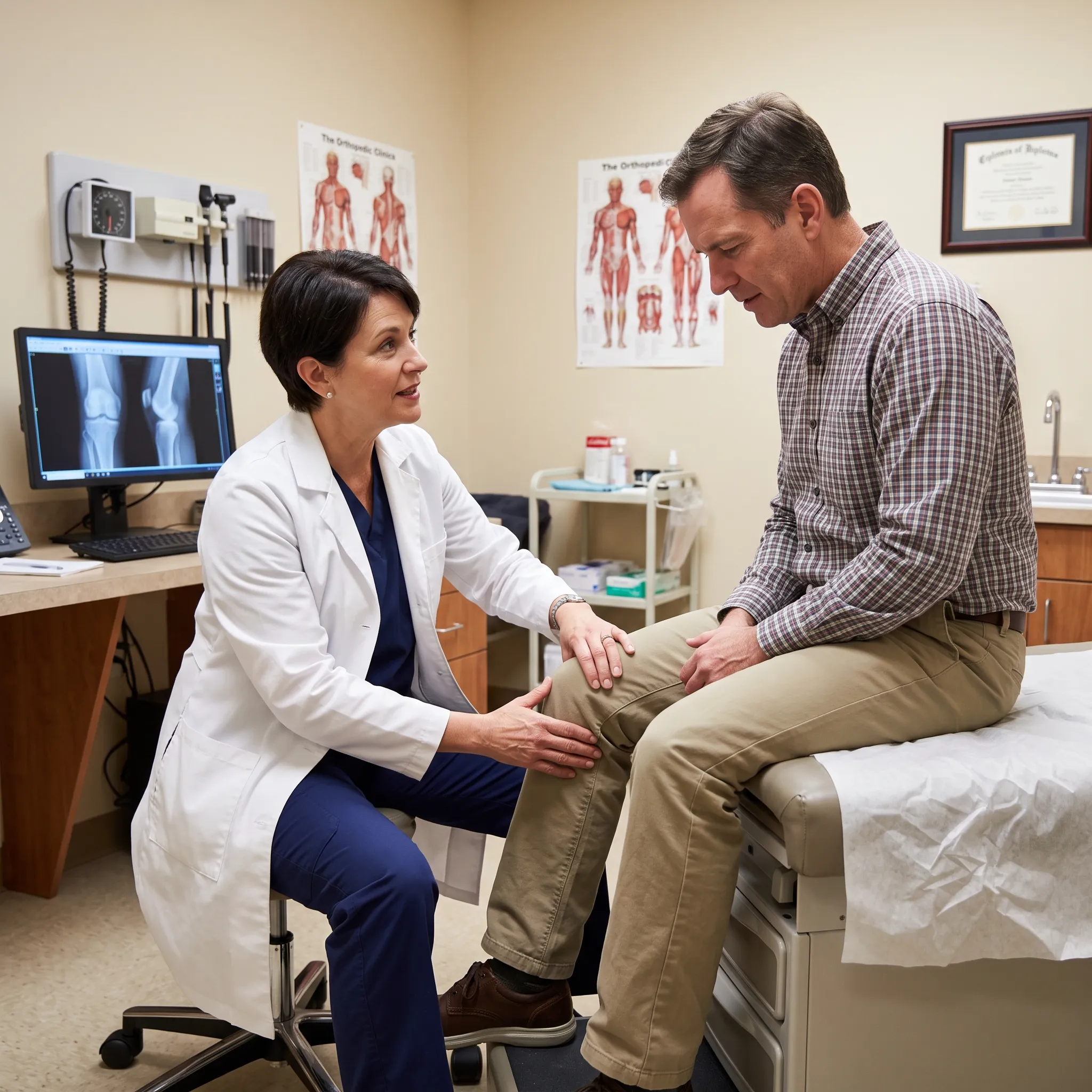
Tears, instability, limited range of motion, and ongoing orthopedic care can require careful documentation.

Sprains, strains, bruising, limited movement, and symptoms that may worsen in the days after an injury.
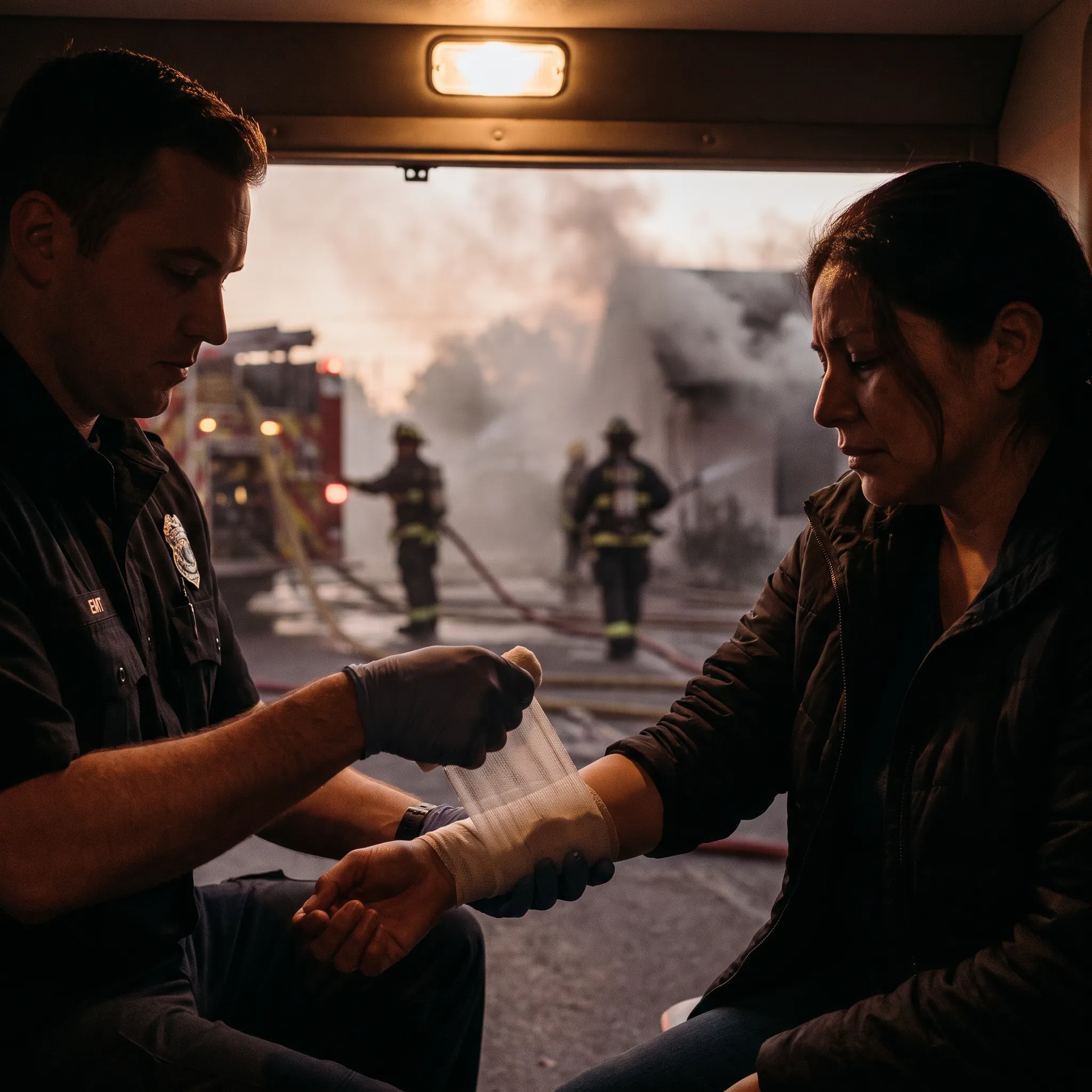
Visible injuries, disfigurement, emotional harm, and life disruption should be documented early.
What compensation may include
The full picture may include future treatment, lost income, pain, limitations, and how the injury changes daily life.
Emergency care, follow-up visits, therapy, imaging, injections, surgery, and prescriptions.
Treatment needs that may continue after the case begins or even after settlement.
Missed work, reduced hours, or time away from business responsibilities.
When an injury changes the type or amount of work a person can do.
Physical pain, limitations, loss of enjoyment, and disruption to daily life.
Transportation, home help, medical equipment, and other costs caused by the injury.
Protect your health and your claim
The insurance company may call before you know how injured you are. That early call can feel routine, but it may affect fault, injury severity, medical gaps, and damages — and a quick release can end a claim before the full picture is clear.
Even an honest answer can be taken out of context if symptoms change or treatment is still ongoing.
Insurers often focus on delayed care, missed appointments, or inconsistent documentation.
Follow instructions and document symptoms, referrals, imaging, and treatment.
Keep photos, videos, insurance cards, witness names, and incident reports.
Recorded statements can affect fault, injuries, and damages later. Ask before signing anything.
Missed work, expenses, pain, limitations, and daily disruptions all matter.
Timing matters by state
Florida
Tennessee
Important note
The right deadline can depend on the facts, parties, claim type, notice rules, exceptions, tolling, and when the claim accrued. This page is general information, not legal advice about your deadline.
Start a Free ReviewHow the process works
The goal is to move from an overwhelming moment to a clear claim record, a clear picture of the injury, and a clear next step.
Tell us what happened, where it happened, and what injuries you are dealing with.
Reports, photos, witness information, records, insurance coverage, and fault issues are reviewed.
Treatment history, future care, work impact, and daily limitations help tell the full story.
Some claims resolve through insurance negotiations. Others need stronger legal action.
About the attorneys
Before you share the details of an insurance dispute or injury, it helps to know who is reviewing the problem. Our attorneys focus on what happened, what the insurance company has said, and what evidence may matter next.
Client reviews

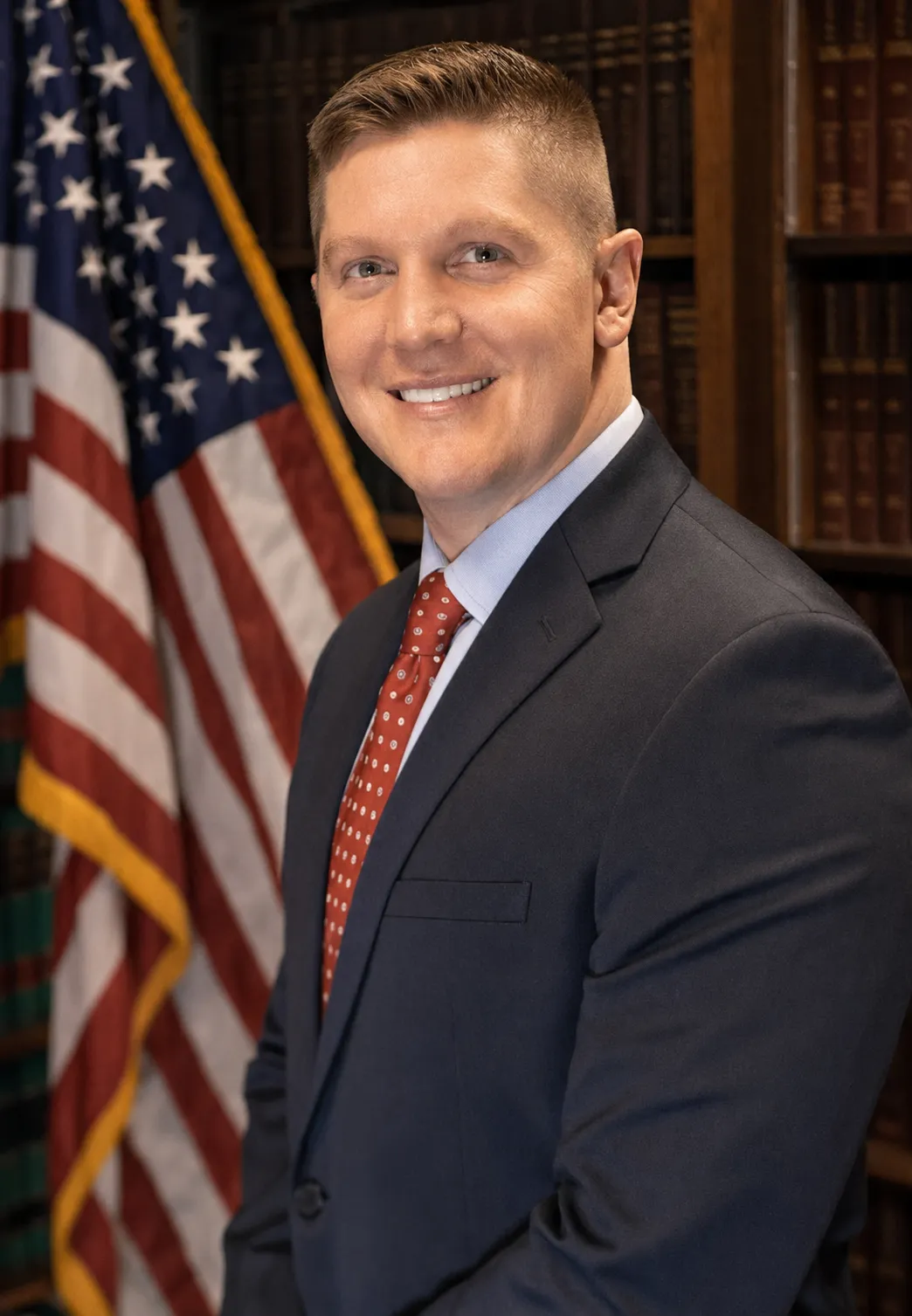
Founder / Lead Attorney
Focused on helping policyholders understand coverage, valuation, and the evidence a claim depends on before the next move is made.
Attorney at Law
Brings steady communication and practical review to policy language, claim documentation, and insurance disputes.
Free personal injury review
Tell us what happened, where it happened, and what injuries you are dealing with. We can help identify the most relevant office and next step.
Start here
Personal injury FAQ
A claim usually depends on whether someone else may have been responsible, whether you were injured, whether the injury can be documented, and whether insurance or another recovery option may be available.
Fault can affect whether compensation may be available and how much. The impact depends on the state, facts, and claim type. This is one reason early evidence and careful documentation matter.
Some injuries feel worse hours or days later. Medical documentation, symptom history, and follow-up care can become important if the insurance company questions the connection.
Be careful, especially with recorded statements or settlement releases. The other party's insurer is not neutral and may ask questions that affect fault, injuries, or damages.
The initial review is free. Any fee arrangement is explained clearly before you decide whether to move forward.
Helpful items include photos, videos, reports, insurance letters, medical records, bills, witness names, employer notes, and anything showing how the injury affected your life.
Deadlines differ by state and claim type — and can depend on notice rules, exceptions, and when the claim accrued. This page is general information, not legal advice about your deadline; ask early rather than assume you still have time.
Yes. The firm has offices in Jacksonville and High Springs, Florida, and Cleveland, Tennessee, and serves surrounding areas remotely where there is no local office.
Hurt in an accident?
Whether you know the claim type or not, tell us what happened and where it happened. We'll help you find the right next step.