

01
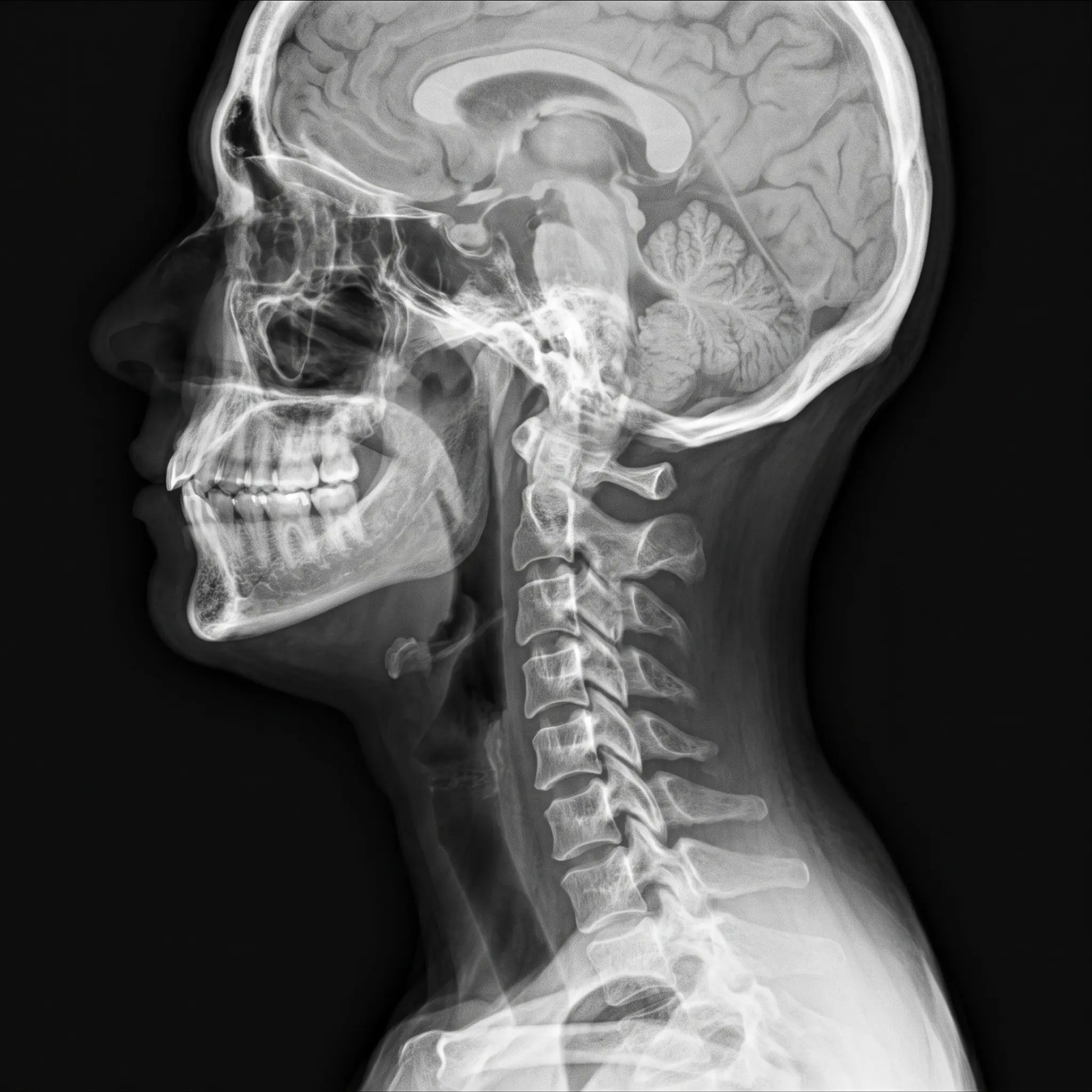
Neck, back & spine
Whiplash, disc injuries, radiating pain, therapy, injections, and future-care questions after impact.
Auto accident lawyers
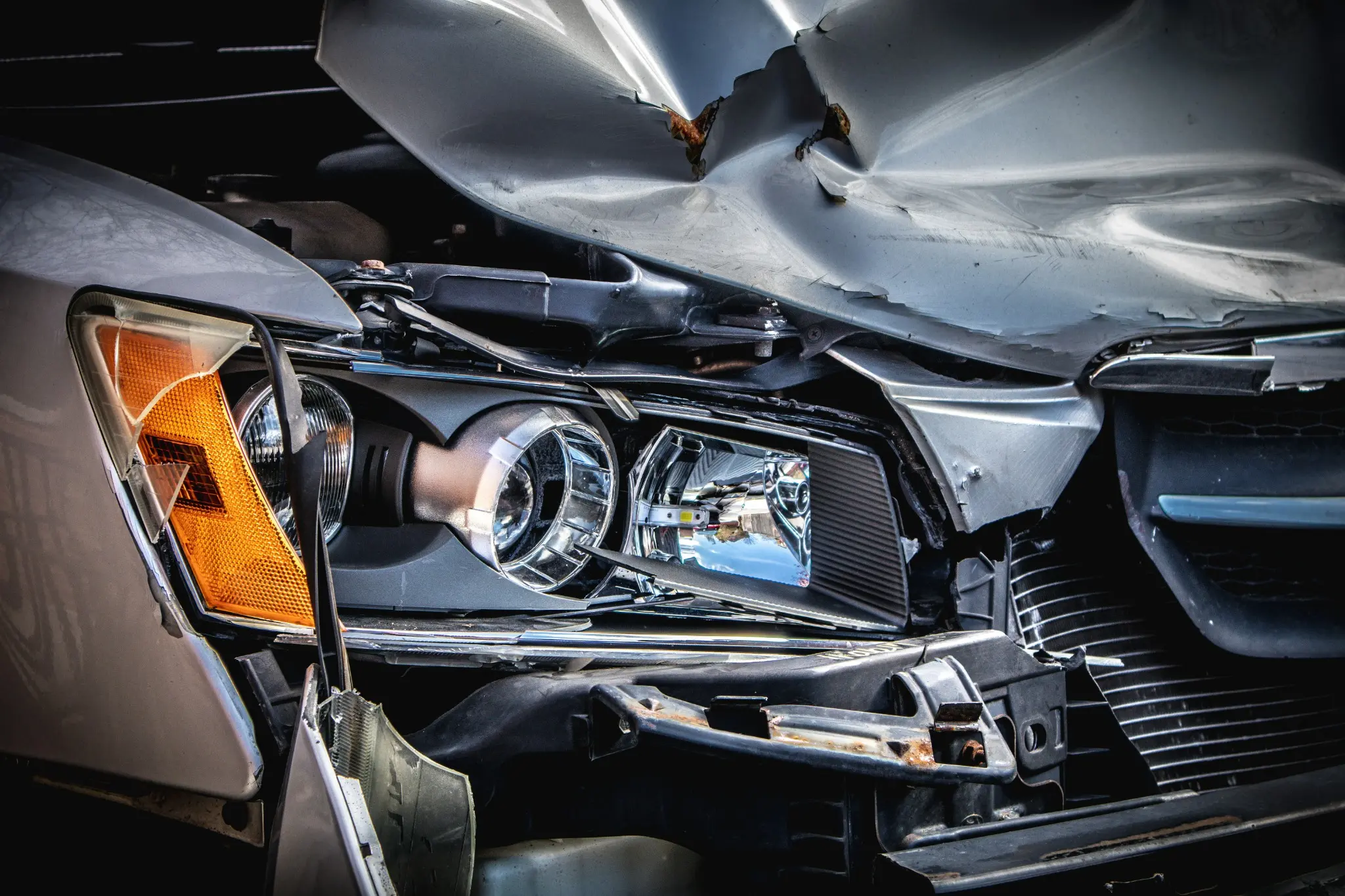
A crash can leave you facing medical care, insurance calls, vehicle damage, missed work, and questions about what comes next. We help injured drivers and passengers understand their options and the steps that may protect a claim.
Could I have a claim?
You do not need every answer before reaching out. A useful review starts with how the crash happened, who may be at fault, and how the injuries are affecting your health, work, and daily life.
Another driver, an employer, a rideshare company, or a commercial carrier can all bear responsibility depending on the crash facts.
Speeding, distraction, running lights, following too closely, impairment, or unsafe turns can all point to fault.
The claim has to connect the collision to the injury through records, treatment timing, symptoms, and evidence.
Medical bills, future care, missed work, pain, limitations, vehicle damage, and daily disruption can all matter.
Insurers may blame the injured driver, dispute injury severity, argue the crash did not cause the symptoms, or point to PIP, UM/UIM, and coverage limits — all of which shape what happens next.
Find local crash help
Choose the office closest to where the crash happened. If your city is not listed, start a free review and we can help identify the most relevant next step.
 Florida Office
Crashes in Jacksonville, Duval County, Orange Park, Ponte Vedra, the Beaches, or St. Augustine.
Jacksonville crash help →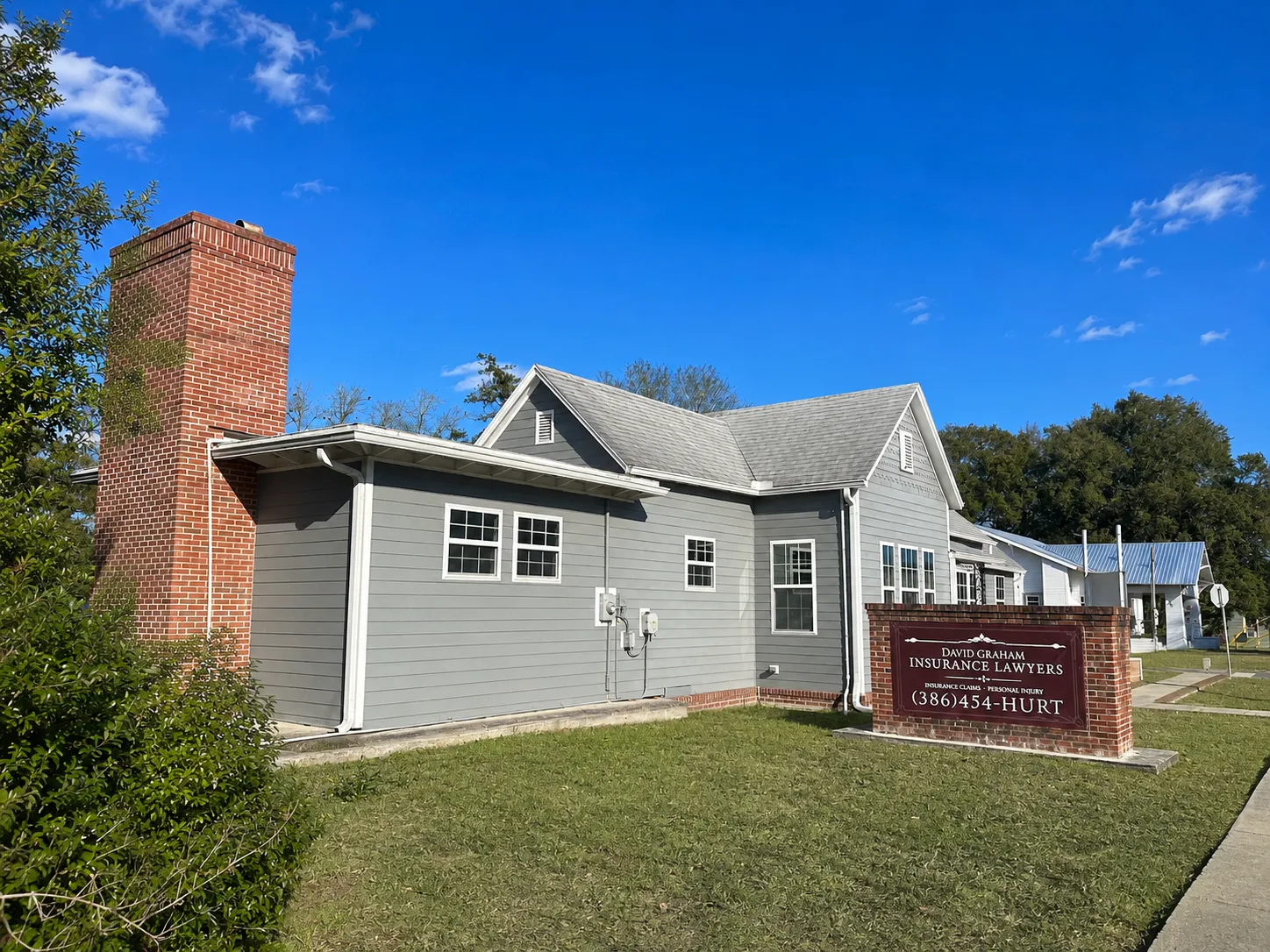 Florida Office
Crashes in High Springs, Gainesville, Alachua County, or North Central Florida.
High Springs crash help → Tennessee Office
Crashes in Cleveland, Bradley County, the Chattanooga area, or Southeast Tennessee.
Cleveland crash help →Outside an office city?
Our offices are in Jacksonville, High Springs, and Cleveland. We also review crash inquiries from surrounding communities and elsewhere in Florida and Tennessee.
Florida
Tennessee
Not sure where to start?
Wherever the crash happened in Florida or Tennessee, a free review is the fastest way to the right next step.
Get HelpDon't see your city? Start a free review and we can help identify the closest office and the most relevant next step.

What an auto accident claim involves
An auto accident claim helps injured drivers and passengers seek compensation when another driver, employer, rideshare company, or commercial carrier caused the crash by failing to drive with reasonable care.
Who failed to follow traffic laws, drove distracted or impaired, sped, or otherwise caused the collision?
How did the crash cause the injury — and can records, timing, and treatment connect the two?
What medical care, lost wages, vehicle damage, and long-term effects need documenting — and which coverage (PIP, UM/UIM, liability) applies?
Auto accident claim types
Rear-end collisions
Neck, back, shoulder, and concussion symptoms can develop after impact. Insurance companies may dispute injury severity, medical timing, or whether the crash caused the symptoms.
Whiplash, disc injuries, following-too-closely disputes, and delayed symptoms.
Photos, crash report, treatment timing, imaging, and consistent symptom documentation.
What matters most
Intersection crashes
T-bone crashes, red-light crashes, left-turn collisions, and failure-to-yield claims may involve traffic cameras, witnesses, and conflicting driver statements.
Red lights, stop signs, unsafe turns, speeding, and disputed right-of-way.
Scene photos, witness names, police report, cameras, road layout, and impact location.
What matters most
Hit-and-run and uninsured drivers
Hit-and-run and uninsured driver crashes may involve police reports, identifying the vehicle, UM/UIM coverage, and your own policy benefits.
Unknown drivers, no insurance, low limits, and conflicting coverage decisions.
Police report, witness details, photos, policy coverage, and prompt notice to insurance.
What matters most
Distracted or drunk driving
Phone use, impairment, speeding, or reckless driving may require early evidence preservation and careful review of the crash facts.
Texting, intoxication, reckless driving, traffic citations, and severe injuries.
Citations, police investigation, witness statements, photos, and any available video.
What matters most
Commercial vehicle crashes
Delivery vans, work trucks, fleet vehicles, and company cars may involve employer responsibility, maintenance records, driver training, and higher insurance limits.
Employer responsibility, vehicle maintenance, driver conduct, and dispatch pressure.
Company name, vehicle markings, insurance information, and early evidence preservation.
What matters most
Multi-vehicle pileups
Pileups and chain-reaction crashes can involve multiple statements, multiple insurance companies, disputed order of impact, and coverage issues.
Chain reactions, secondary impacts, conflicting statements, and low policy limits.
Crash diagrams, vehicle positions, witness names, insurance details, and impact sequence.
What matters most
Passenger injury claims
Injured passengers can often pursue claims against the at-fault driver, the driver of their own vehicle, or multiple insurance policies, without being blamed for the crash.
Which driver was at fault, which policies apply, and how to pursue recovery without taking sides.
Both drivers' insurance, medical documentation, and the relationship to the driver.
What matters most
Common injuries
Severity, treatment, and long-term impact often drive what a claim needs to document.
Whiplash, disc injuries, radiating pain, therapy, injections, and future-care questions after impact.

Concussions, headaches, dizziness, memory issues, and traumatic brain injury symptoms after a crash.
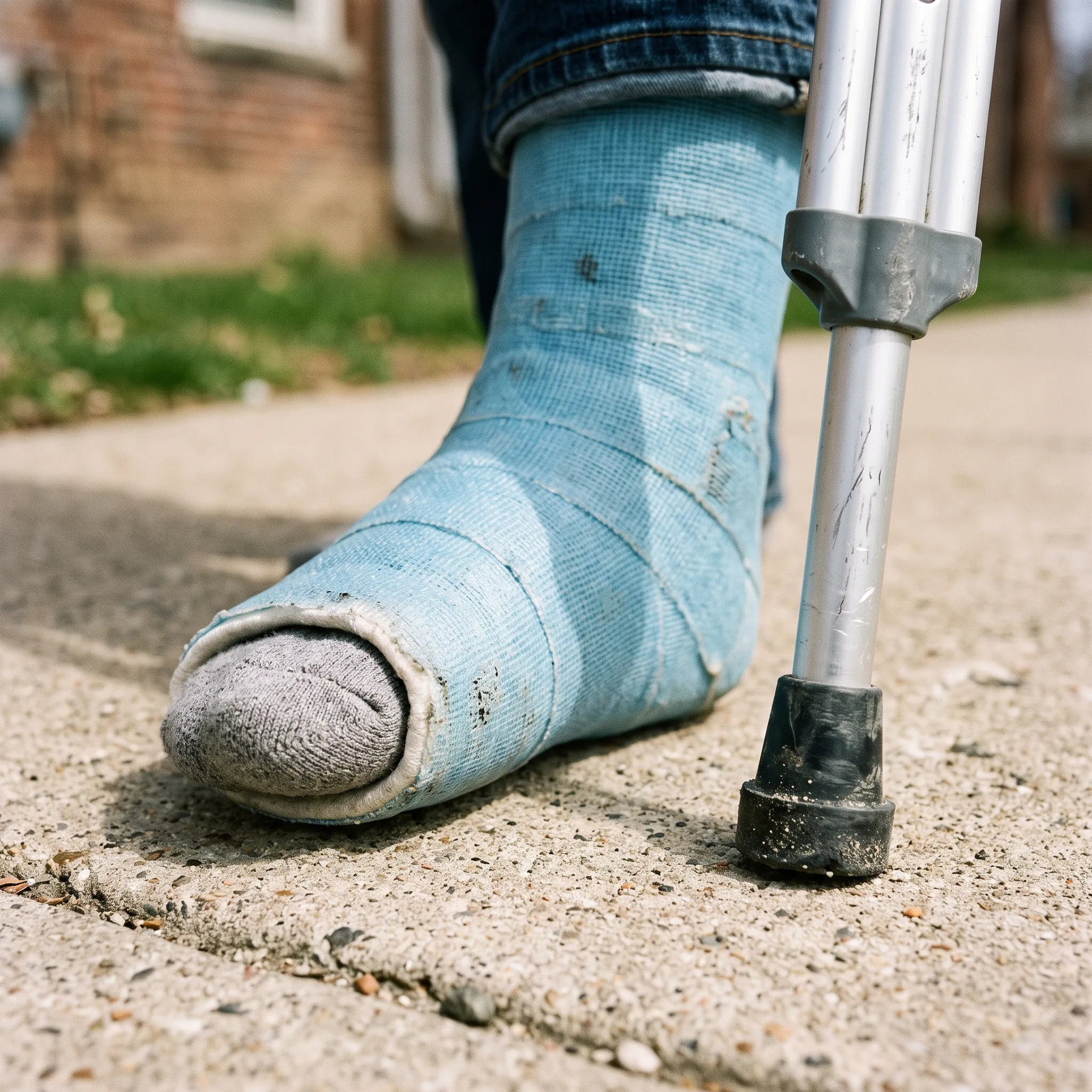
Fractures, surgery, hardware, missed work, and mobility problems can affect both recovery and future needs.
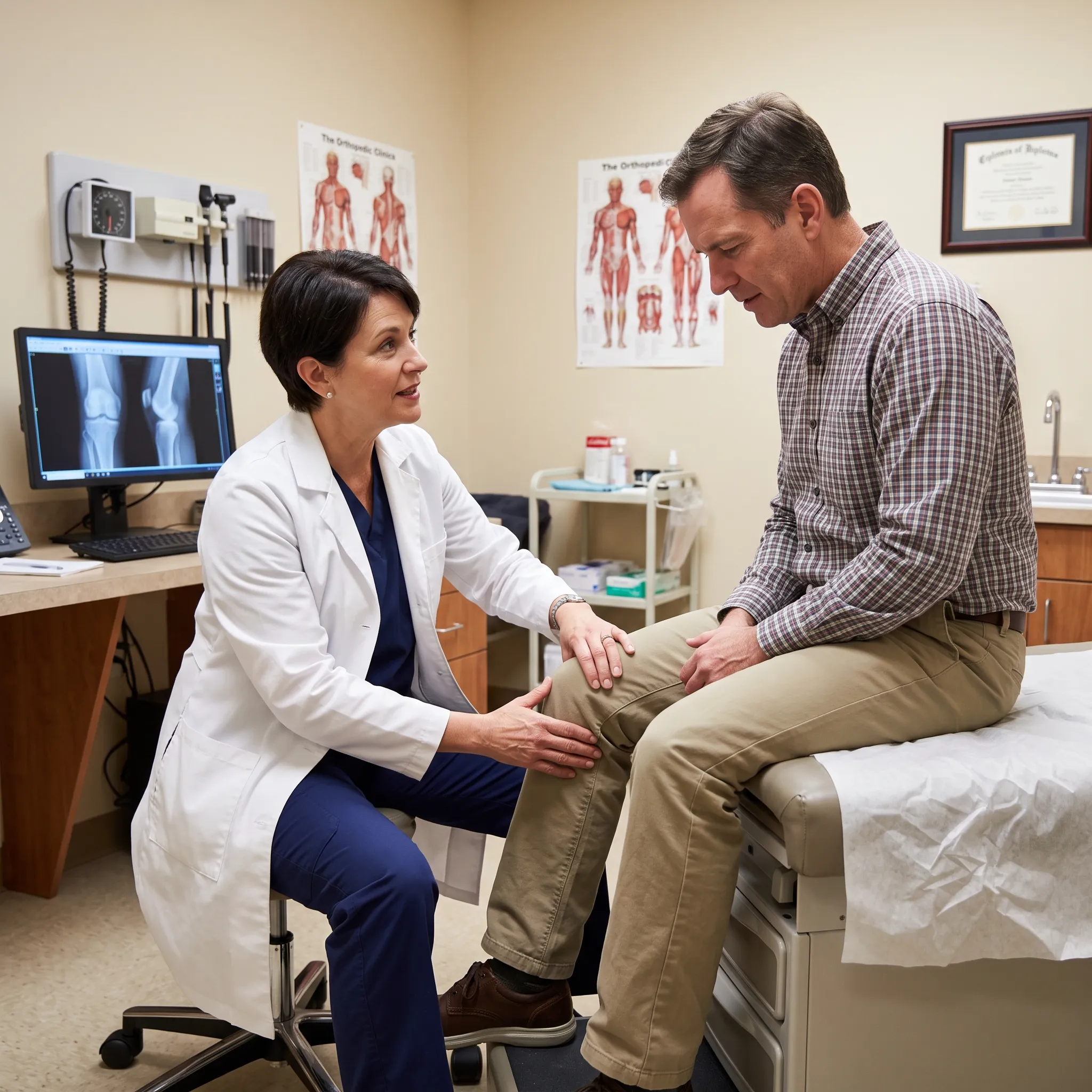
Tears, instability, limited range of motion, and ongoing orthopedic care can require careful documentation.

Sprains, strains, bruising, limited movement, and symptoms that may worsen in the days after a crash.

Long-term care, family impact, lost earning capacity, and wrongful-death issues require early review.
What compensation may include
The full picture may include medical treatment, future care, lost income, pain, vehicle damage, and how the crash changes daily life.
Emergency care, follow-up visits, therapy, imaging, injections, surgery, and prescriptions.
Treatment needs that may continue after the case begins or even after settlement.
Missed work, reduced hours, or time away from business responsibilities.
PIP, UM/UIM, liability limits, and medical-payments coverage may all affect what can be recovered.
Physical pain, limitations, loss of enjoyment, and disruption to daily life.
Repair costs, total-loss issues, rental needs, towing, storage, and damaged belongings.
Protect your health and your claim
The insurance company may call before you know how injured you are. That early call can feel routine, but it may affect fault, injury severity, medical gaps, and damages — and a quick release can end a claim before the full picture is clear.
Even an honest answer can be taken out of context if symptoms change or treatment is still ongoing.
Insurers often focus on delayed care, missed appointments, or inconsistent documentation.
Follow instructions and document symptoms, referrals, imaging, and treatment.
Keep photos, videos, insurance cards, witness names, and incident reports.
Recorded statements can affect fault, injuries, and damages later. Ask before signing anything.
Missed work, expenses, pain, limitations, and daily disruptions all matter.
Timing matters by state
Florida auto crashes
Tennessee auto crashes
Important note
The right deadline can depend on the facts, parties, claim type, notice rules, exceptions, tolling, and when the claim accrued. This page is general information, not legal advice about your deadline.
Start a Free ReviewHow the process works
The goal is to move from an overwhelming moment to a clear claim record, a clear picture of the injury, and a clear next step.
Tell us how the crash happened, where it happened, and what injuries you are dealing with.
Reports, photos, witness information, records, insurance coverage, and fault issues are reviewed.
Treatment history, future care, work impact, and daily limitations help tell the full story.
Some claims resolve through insurance negotiations. Others need stronger legal action.
About the attorneys
Before you share the details of an insurance dispute or injury, it helps to know who is reviewing the problem. Our attorneys focus on what happened, what the insurance company has said, and what evidence may matter next.
Client reviews

Founder / Lead Attorney
Focused on helping policyholders understand coverage, valuation, and the evidence a claim depends on before the next move is made.

Attorney at Law
Brings steady communication and practical review to policy language, claim documentation, and insurance disputes.
Free auto accident review
Tell us how the crash happened, where it happened, and what injuries you are dealing with. We can help identify the most relevant office and next step.
Start here
Auto accident FAQ
A crash claim usually depends on whether another driver was at fault, whether you were injured, whether the injury can be documented, and whether there is coverage — the other driver’s liability policy, or your own PIP and UM/UIM.
Fault can affect whether compensation may be available and how much. The impact depends on the state, crash facts, and available coverage. This is one reason early evidence and careful documentation matter.
Some crash injuries feel worse hours or days later, especially neck and back injuries. Prompt medical care, symptom history, and follow-up documentation matter if the insurer questions the connection to the crash.
Be careful, especially with recorded statements or settlement releases. The other party's insurer is not neutral and may ask questions that affect fault, injuries, or damages.
The initial review is free. Any fee arrangement is explained clearly before you decide whether to move forward.
Helpful items include crash photos, the police report or report number, insurance letters, medical records, bills, witness names, repair estimates, and anything showing how the crash affected your life.
Deadlines differ by state and claim type — and can depend on notice rules, exceptions, and when the claim accrued. This page is general information, not legal advice about your deadline; ask early rather than assume you still have time.
Yes. The firm has offices in Jacksonville and High Springs, Florida, and Cleveland, Tennessee, and serves surrounding areas remotely where there is no local office.
Hurt in a crash?
Whether you know the crash type or not, tell us what happened and where it happened. We'll help you find the right next step.